


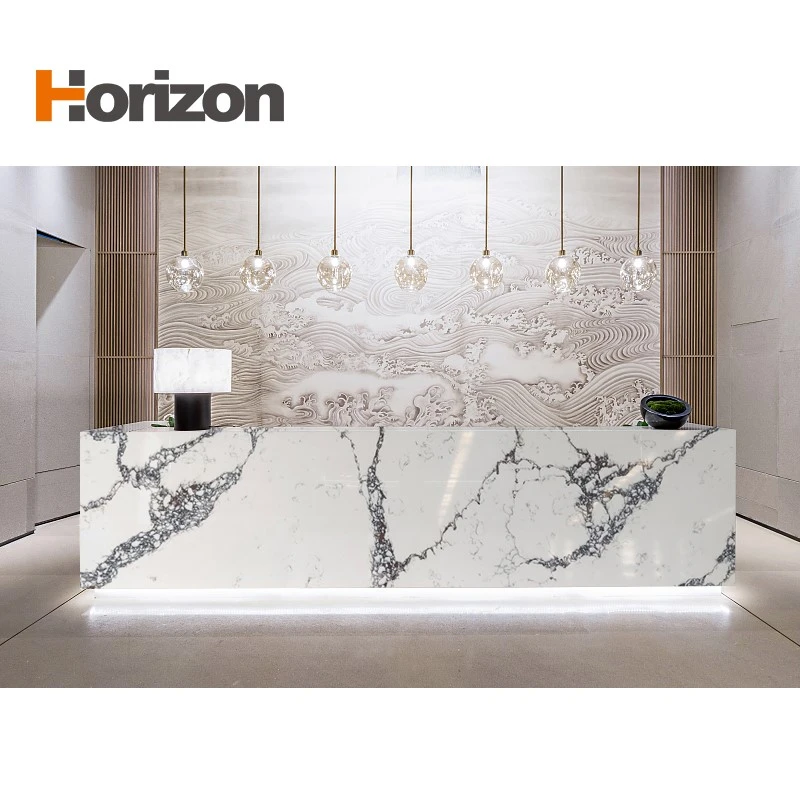

When selecting countertops, two popular options stand out: natural quartzite and engineered quartz. Both offer unique advantages, but understanding their differences is crucial for making the right choice in 2025.
Natural quartzite is a metamorphic rock renowned for its stunning aesthetics and durability. It features unique vein patterns and a wide range of colors, from soft whites to dramatic blacks. Quartzite is extremely hard, scratch-resistant, and heat-resistant, capable of withstanding heavy use. However, it is porous and requires regular sealing to prevent staining. This may be a drawback for those seeking a low-maintenance option.
On the other hand, engineered quartz is a synthetic material composed of approximately 90-93% natural quartz crystals bonded with resin. It is non-porous, highly stain-resistant, antibacterial, and moisture-resistant. Quartz also offers a variety of colors and patterns, including designs that mimic natural stone like marble or quartzite. Its consistent appearance and low-maintenance requirements make it a popular choice for busy households. However, it is not as heat-resistant as quartzite, so caution is needed when placing hot cookware on it.
By 2025, both materials will remain top choices, but the final decision depends on your priorities. If you value natural beauty and are willing to perform occasional maintenance, quartzite is a good option. For those seeking durability, consistency, and minimal maintenance, engineered quartz is the better choice. Regardless of which material you choose, both will add timeless elegance to your kitchen.